
What is Epoxy Resin for Electrical Use?
Epoxy resin has become an indispensable material in the realm of electrical applications, finding its niche in various industries due to its remarkable properties. In this blog, we will delve into the intricacies of electrical epoxy resin, exploring its key characteristics and applications that make it the go-to choice for electrical insulation and protection.
Understanding Electrical Epoxy Resin:
Epoxy Resin Basics:
Epoxy resin is a versatile synthetic polymer known for its excellent adhesion, durability, and resistance to chemicals and heat. In the electrical realm, it plays a crucial role in safeguarding components from environmental factors and ensuring the longevity of electronic devices.
Volume Resistivity and Ohm/cm:
One of the defining features of electrical epoxy resin is its impressive volume resistivity. This property, measured in ohms per centimeter (ohm/cm), signifies the material's ability to resist the flow of electric current. High volume resistivity is essential for preventing leakage currents and maintaining the integrity of electrical insulation.
Dissipation Factor and Dielectric Constant:
The dissipation factor and dielectric constant are crucial parameters in evaluating the electrical performance of epoxy resin. A low dissipation factor indicates minimal energy loss, while a low dielectric constant signifies efficient electrical insulation. Epoxy resins excel in both these aspects, making them ideal for applications requiring precise electrical properties.
Applications of Epoxy Resin in Electrical Systems:
Electrical Insulating Resin:
Epoxy resin serves as a reliable electrical insulator, creating a protective barrier around conductive elements. This insulation is vital for preventing short circuits and ensuring the safe and efficient functioning of electrical devices.
Potting Epoxy for Electronics:
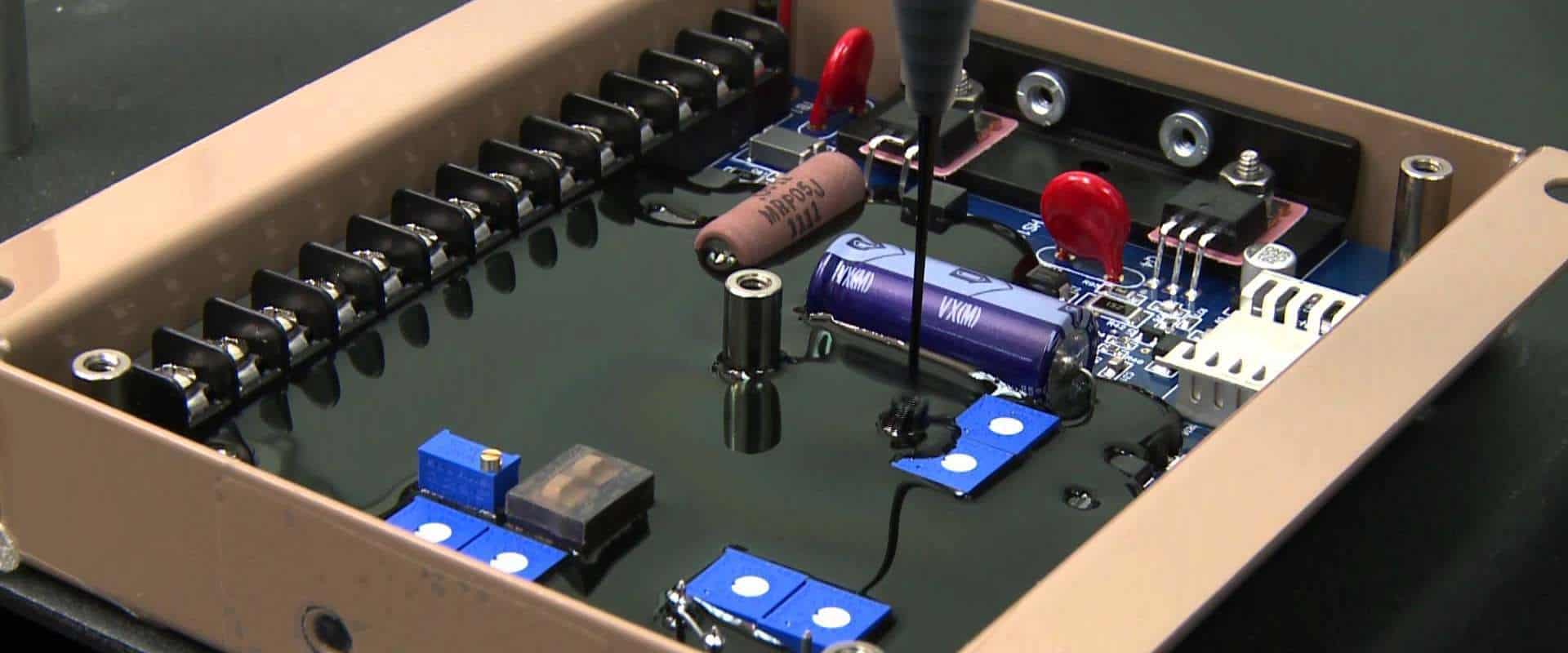
In applications requiring encapsulation and protection of electronic components, potting epoxy comes to the forefront. Its liquid form allows for easy application, ensuring complete coverage and safeguarding against environmental factors such as moisture and chemicals.
Thermal Shock and Shock Resistance:
Epoxy resin's ability to withstand thermal shock and mechanical stress is paramount in environments where temperature variations and physical impact are prevalent. Its shock resistance ensures the durability of electronic devices even in challenging conditions.
Choosing the Best Electrical Epoxy Resin:
Rongtai Technology Electrical Resin:
Among the myriad options available, Rongtai Technology electrical resin stands out for its reliability and performance. This epoxy resin is designed to meet the stringent requirements of electrical applications, offering exceptional electrical insulation and protection against thermal shock.
Flash Point and Safety Considerations:
Flash point is a critical factor when working with epoxy resin, especially in industrial settings. Understanding the flash point ensures safe handling and processing. Epoxy resins generally have a moderate flash point, emphasizing the need for proper safety measures during manufacturing and application.
Conclusion:
In conclusion, epoxy resin for electrical use is a cornerstone in modern electronics and electrical systems. Its unique combination of electrical, thermal, and mechanical properties makes it the material of choice for applications ranging from insulating components to potting electronics. As technology continues to advance, the demand for reliable and robust electrical epoxy resins is bound to grow, cementing their role in the ever-evolving landscape of electrical engineering.
As a professional electrical epoxy resin manufacturer and electrical insulating solutions provider, we would be pleased to advise you individually, and you are also welcome to send your inquiry to eason@ulan38.cn.